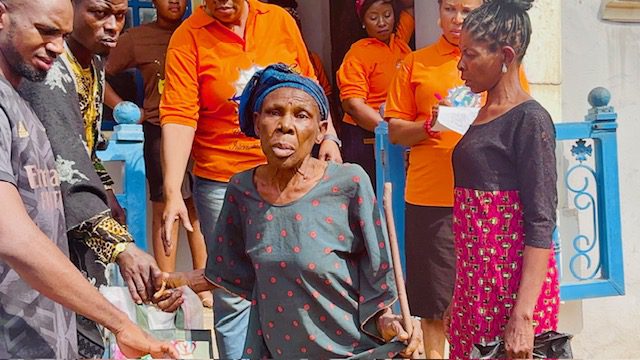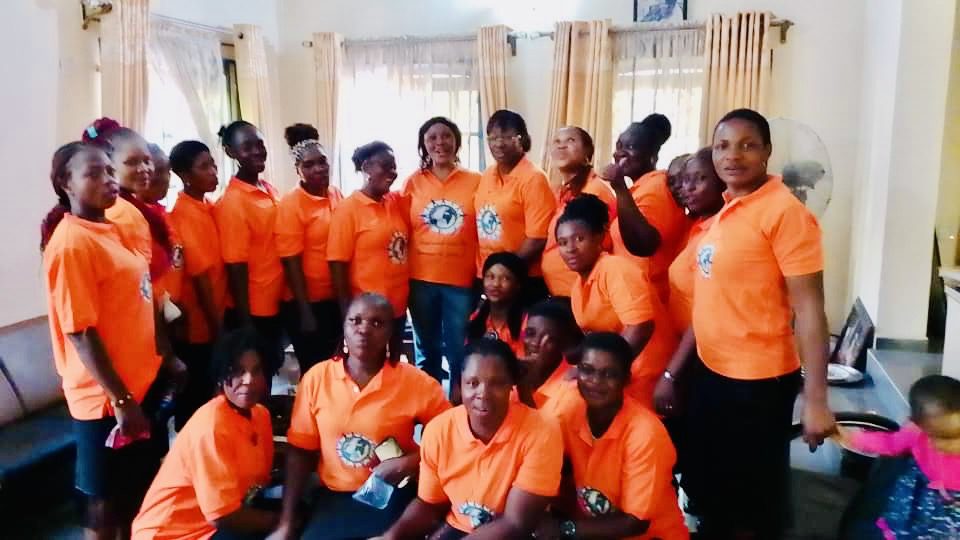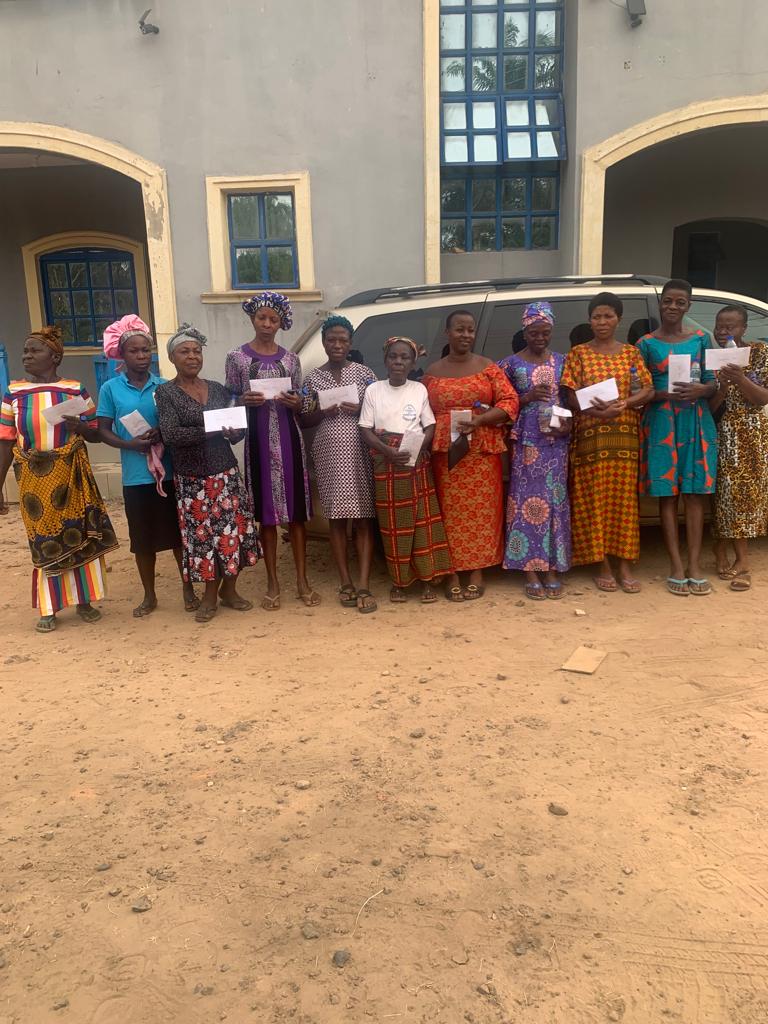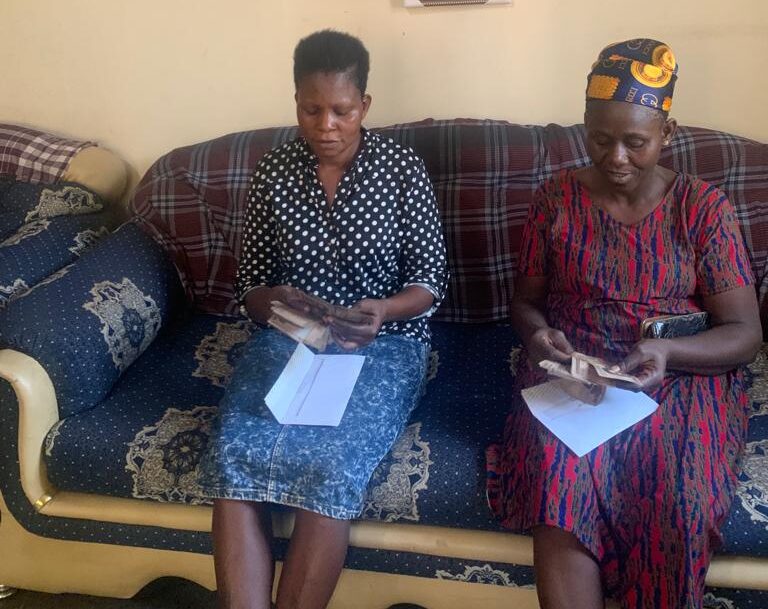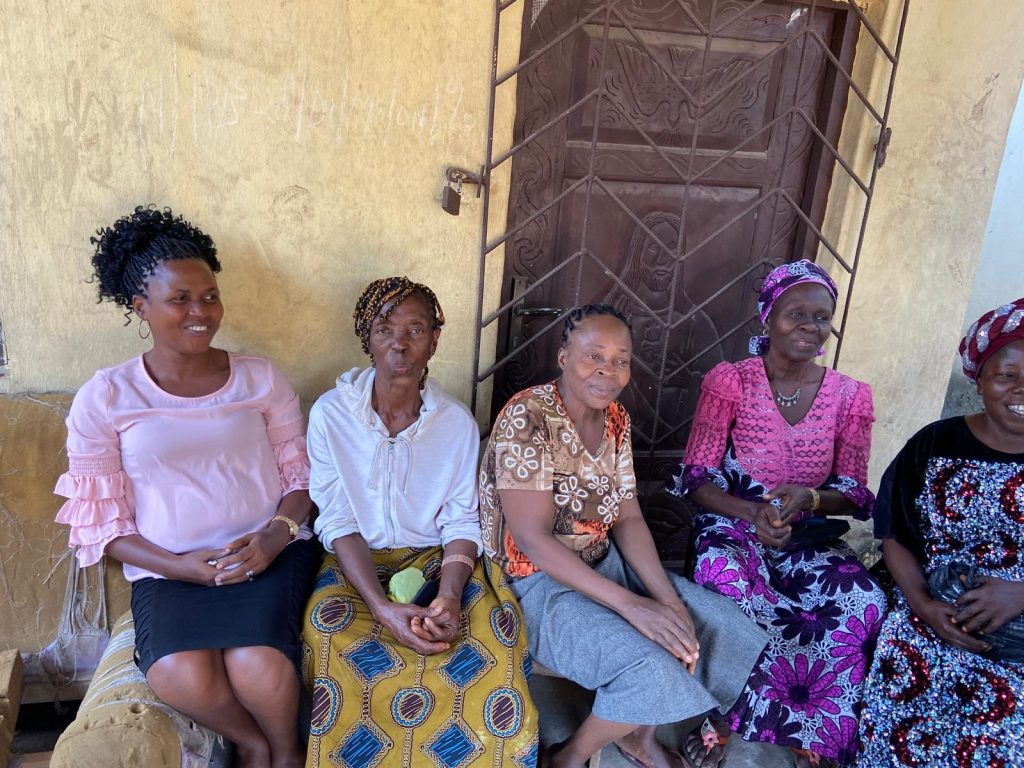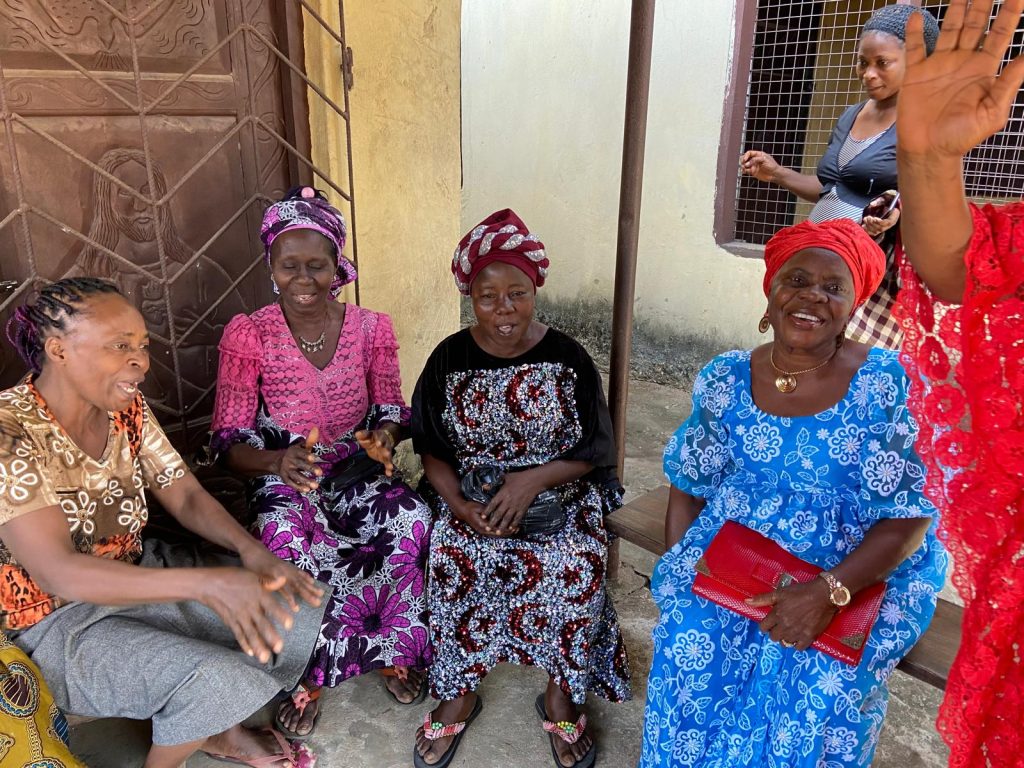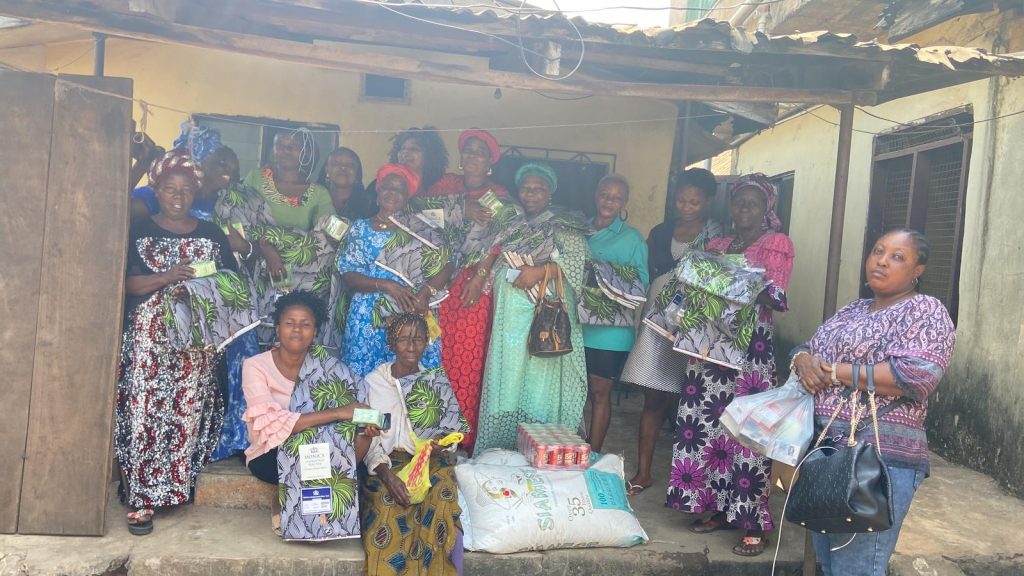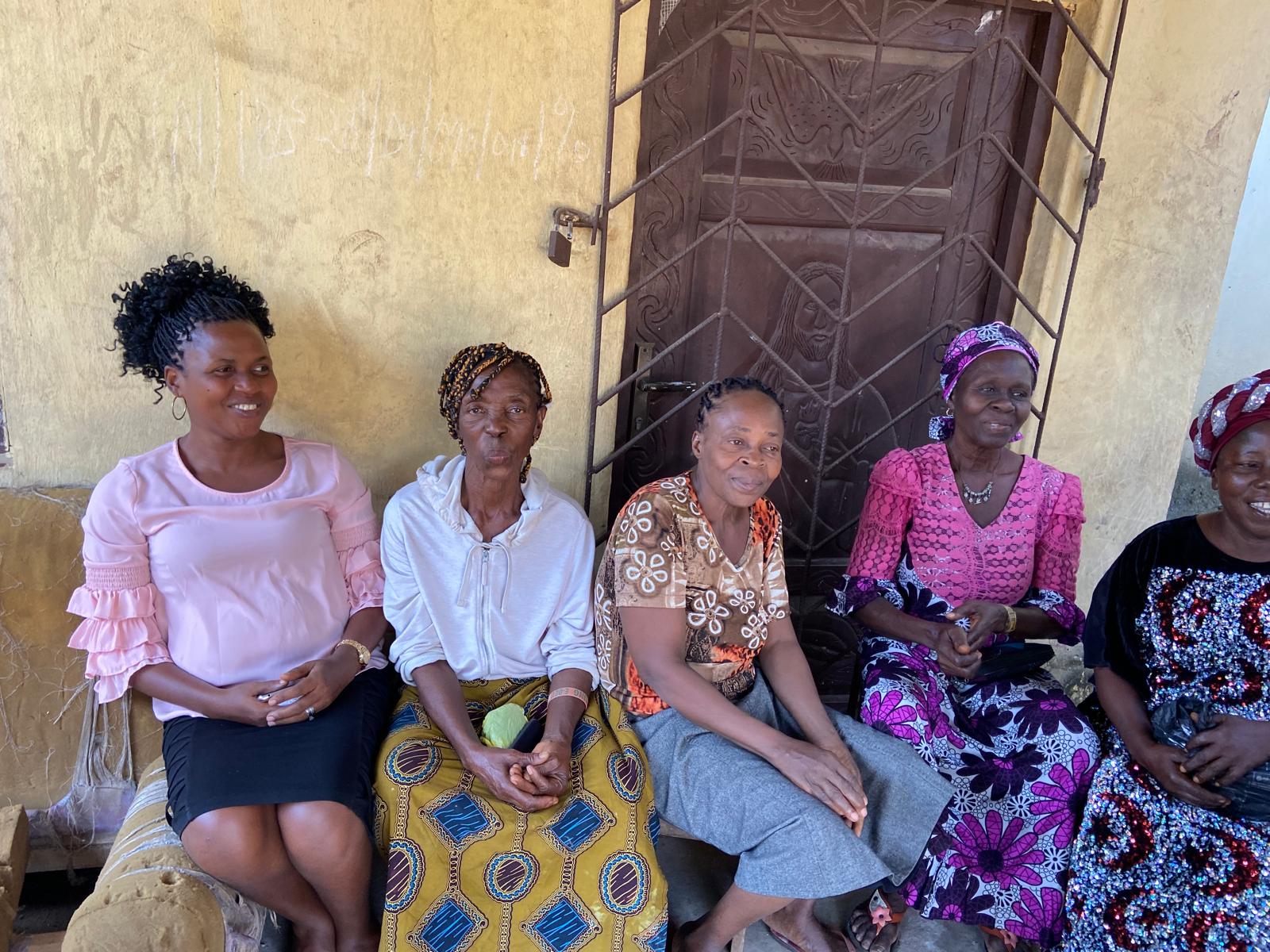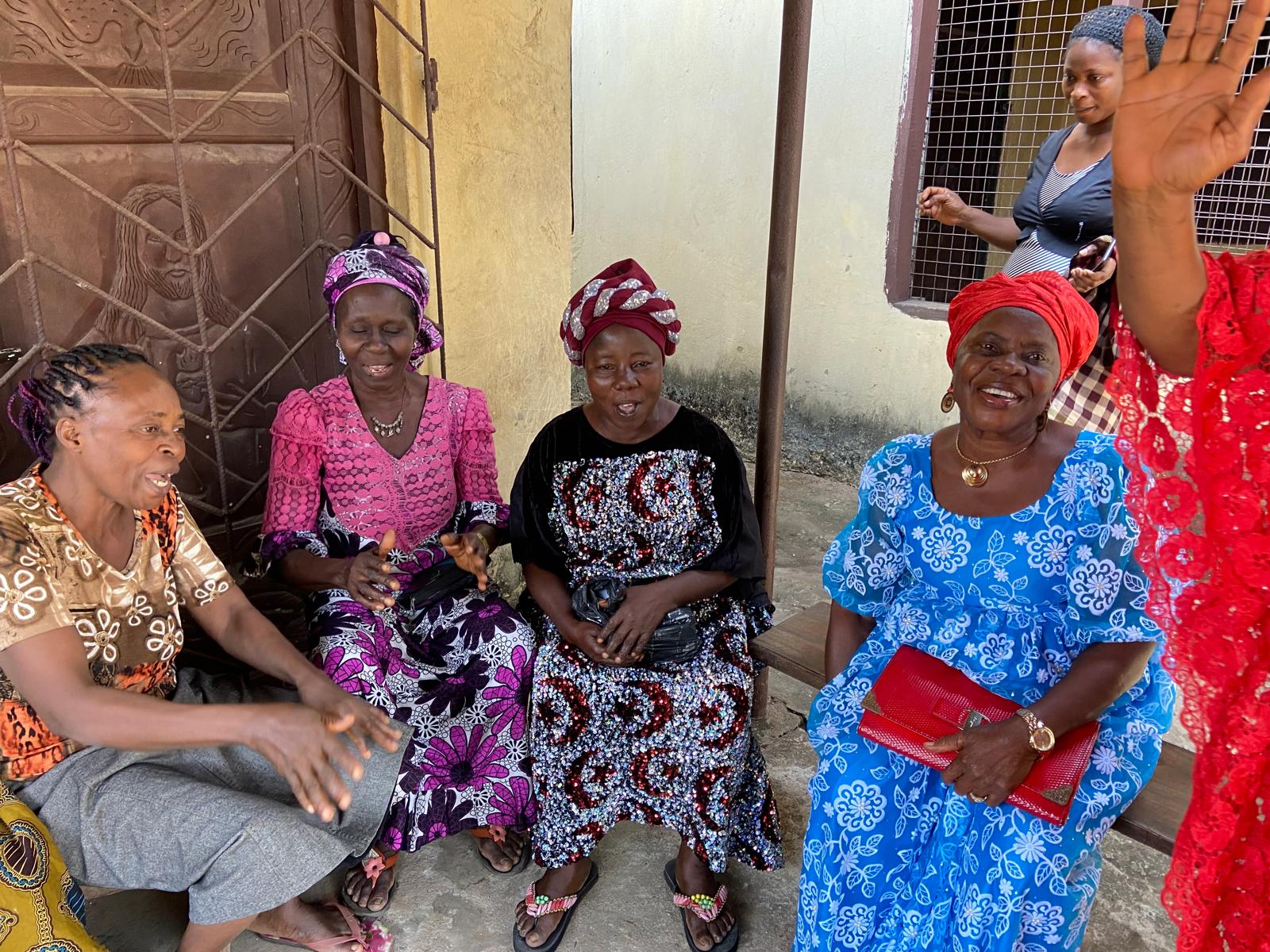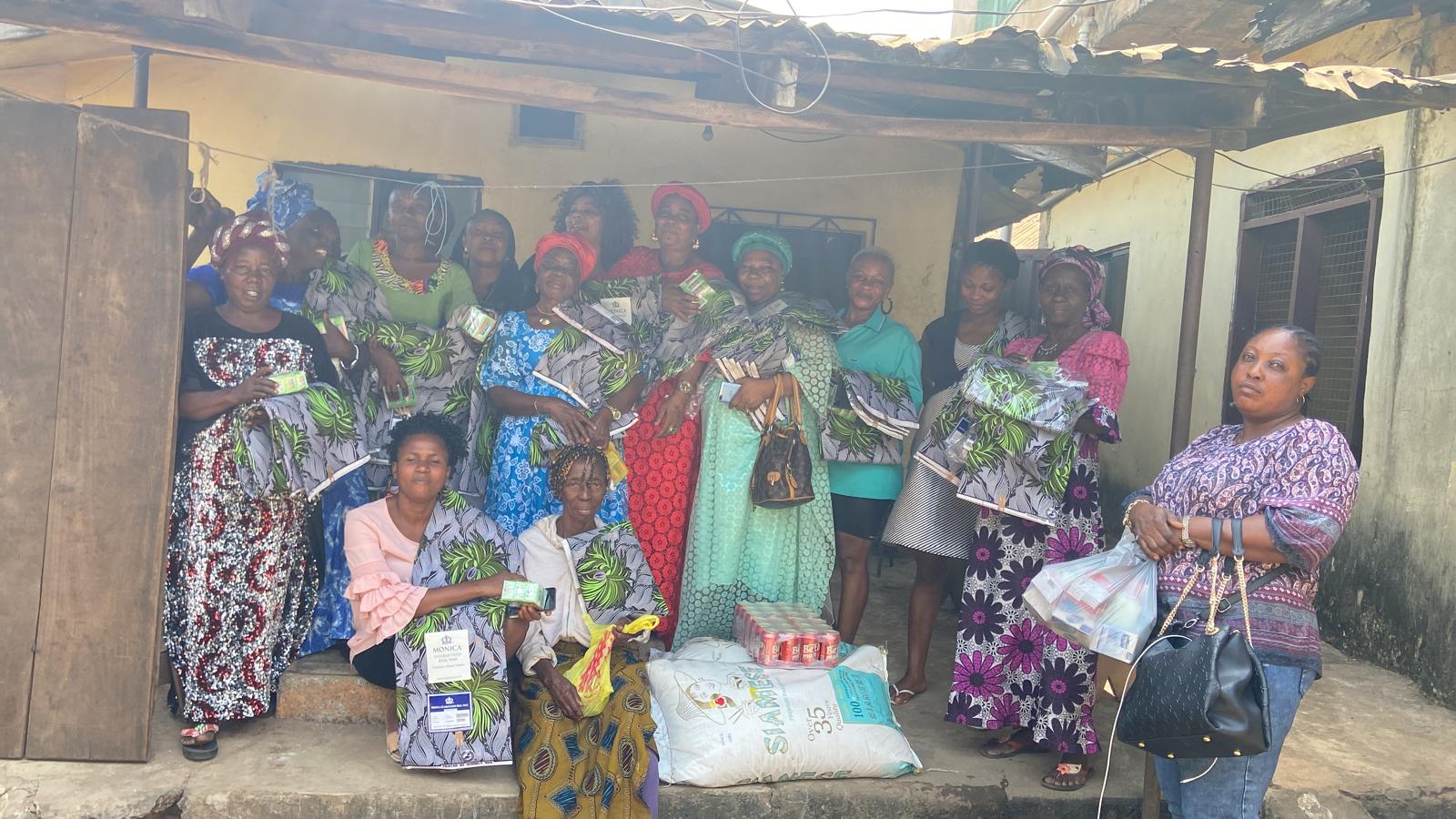
CSCIGI believes in women who rise with strength, purpose, and compassion. We equip them to lead confidently, influence change, and create impact in their homes, communities, and the world.
Get SupportVolunteer CounselorTraining and Engagements
Empowering young women to become great leaders of tomorrow.
At CSCIGI, we believe education and empowerment are inseparable. Through our Education and Scholarships Program, we equip girls and women with the knowledge, confidence, and freedom to take control of their lives and shape their futures with purpose.
What We Offer
-
Individual Counseling — One-on-one sessions that provide private, compassionate emotional care.
-
Group Therapy Sessions — Supportive circles that allow girls to share stories and learn from each other’s strength.
-
Crisis Intervention — Immediate assistance for those facing urgent emotional distress.
-
Faith-Based Support — Integrating prayer, spiritual insight, and forgiveness as tools for inner healing.
-
Life Skills Workshops — Teaching self-esteem, communication, and coping strategies for life beyond trauma.
What Is Women Empowerment?
Women’s empowerment is the process by which women gain power and control over their lives and acquire the ability to make meaningful and strategic choices. It promotes self-worth, independence, and the right to influence change in their communities and beyond.
Five Core Components of Empowerment
-
Sense of self-worth
-
Right to make and determine choices
-
Right to access opportunities and resources
-
Power to control one’s life inside and outside the home
-
Ability to influence the direction of social change
Types of Empowerment We Promote
-
Individual Empowerment
-
Gender Empowerment
-
Social Empowerment
-
Educational Empowerment
-
Economic Empowerment
-
Political Empowerment
-
Psychological Empowerment
The Five Elements of Effective Empowerment
1) Trust with responsibility.
The process of empowerment starts with trust.
Without trust you will never let go of the keys. Every teenager wants to drive a car when they turn sixteen. As a parent, you may be reluctant to hand over the keys because your son or daughter might get hurt or wreck the family car.
But if you don’t give them the keys, they can’t drive! It’s that simple.
It’s a risk, but one you must take. It’s a big responsibility to get out on the open road, but they need your trust and a chance to succeed. It’s the same with your leaders. Hand them the keys.
They might not do it as well as you, and will likely make mistakes, but if you want the church to grow, you need to trust your leaders with real “behind the wheel” responsibility.
If you want the church to grow, you need to trust your leaders with real “behind the wheel” responsibility.
2) Train for competency.
In the same way you would not let your teens drive the family car without driver’s education, your leaders need training too. Even the best and brightest of your leaders need training to become better leaders.
Church leaders, whether volunteer or staff, need both equipping and developing as part of their training, but ultimately it is developing that opens the door to true empowerment.
The training needs to be consistent, relevant, and practical. It must also embrace the cultural values of your church.
3) Unleash with authority.
It’s important to give authority equal to responsibility.
The most common expression of authority is decision-making, but often includes a variety of factors from teaching to finance.
Create an atmosphere of boldness rather than caution. This is achieved by allowing for mistakes.
By mistakes, I don’t mean sloppy and unprepared leadership, but the willingness to take risks, learn from mistakes and grow as a leader. It means embracing the courage to put progress over perfection.
Sharing authority typically embraces inclusion over exclusion. This does not suggest forming a “club” of sorts but opening the way for others to lead.
4) Communicate clear expectations
Let’s return to the driving analogy. When I taught both my kids to drive, part of the process was communicating not only the rules of the road and where their authority started and stopped, but also very clear expectations.
One of those clearly communicated expectations was a curfew of midnight. Home by midnight or you lose the privilege of driving.
Leaders need guidelines and clear expectations.
These are not straightjackets that prevent leadership, but job descriptions, goals and cultural values that make it possible for them to be successful.
When a leader does not know what is expected, they simply cannot win.
While uncommon, on rare occasions it is necessary to remove empowerment.
Perhaps the leader refuses to operate within the guidelines, and values or cannot keep up with the needed competencies.
This conversation always goes easier when clear expectations were previously set. It’s always a tough decision to remove empowerment, but on rare occasions it needs to be done.
When a leader does not know what is expected, they simply cannot win.
5) Love and believe in each one for maximum potential.
This final element is what makes the “magic” happen. Or perhaps better and more accurately stated, this element brings the Holy Spirit into the mix in a meaningful way.
When Jesus shared His authority with the disciples, it wasn’t a mechanical or hierarchical thing. He mentored them, invested time with them, and loved them.
He saw through the mess and believed in the best. Jesus had faith in the twelve, even though their faith often faltered.
Jesus believed in his disciples before they fully believed in themselves.
Jesus had faith in the twelve, even though their faith often faltered.
The transitions were significant. From fisherman and tax collectors, to pastors, evangelists, and missionaries. Jesus saw all that in them.
You and I have the privilege and responsibility to “see” potential leadership in those we lead, and often before they see it in themselves.
Believing in someone is a statement of faith beginning in your heart that finds its way to their heart.
When a person senses the belief you have in them, they rise to the height of that belief.
Every time? No. But that’s part of the risk and it’s worth it!
When you believe in someone you value them as human beings of significance.
Believing in them is a deposit of your personal faith and confidence in their life.
The power of your love for someone, truly caring about them, cannot be overestimated. It truly is life changing.
Empowerment is a life changing process. It’s not just about what a person does in their volunteer role at the church. It’s much bigger.
It’s about who they are. It makes people better moms and dads, it helps people get promotions at work, it raises community leaders and more. Bottom line, it helps people live bigger, better, and more significant lives.
For a fuller picture of empowerment, you can check out my book Amplified Leadership.
Description
Process by which women gain power and control over their own lives and acquire the ability to make strategic choices.
Additional notes and information
Women’s empowerment has five components: women’s sense of self-worth; their right to have and to determine choices; their right to have access to opportunities and resources; their right to have power to control their own lives, both within and outside the home; and their ability to influence the direction of social change to create a more just social and economic order, nationally and internationally.
In this context, education, training, awareness raising, building self-confidence, expansion of choices, increased access to and control over resources, and actions to transform the structures and institutions that reinforce and perpetuate gender discrimination and inequality are important tools for empowering women and girls to claim their rights.
Sources
(1) UN Commission on the Status of Women (2002). Agreed Conclusions on eradicating poverty, including through the empowerment of women throughout their life cycle, in a globalizing world.
(2) United Nations Statistics Division – UNSD. Global Gender Statistics Program
In some of the up coming trainings, we are going to be empowering young girls and women to become a better version of themselves and leave up to their God given potential, which will allow them to extend their imaginations of what they could be And achieve in life, letting them know they are free from any sorts of limitations that society try to offer them.